


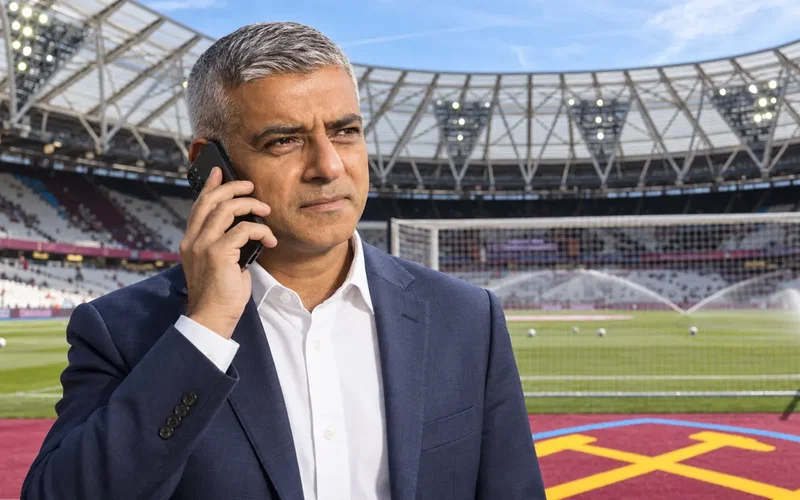
The long-running debate over the future of the London Stadium has taken a significant step forward after London Mayor Sadiq Khan recently indicated he would consider a credible offer from West Ham United to buy the venue, providing it represents value for taxpayers and protects the venue’s wider sporting and community benefits.
The question is no longer whether a sale is possible. It is what a deal would look like, what it would cost West Ham, and how dramatically the stadium could change under private ownership.
Why A Sale Is Suddenly Being Discussed
The London Stadium remains publicly owned through organisations ultimately linked to the Greater London Authority, while West Ham operate as tenants under a 99-year lease signed in 2013.
The arrangement has become increasingly controversial because the stadium reportedly loses around £19 million per year, with taxpayers effectively underwriting the venue’s operating deficit.
Assembly Member Bassam Mahfouz recently urged the Mayor to consider selling the stadium to West Ham, describing the current arrangement as “disastrous” for taxpayers.
Khan’s response stopped short of actively pursuing a sale, but he made it clear that any serious proposal would be considered.
However, determining the value of London Stadium is far from straightforward, yet I am sure a certain Czech businessman has a figure in mind!
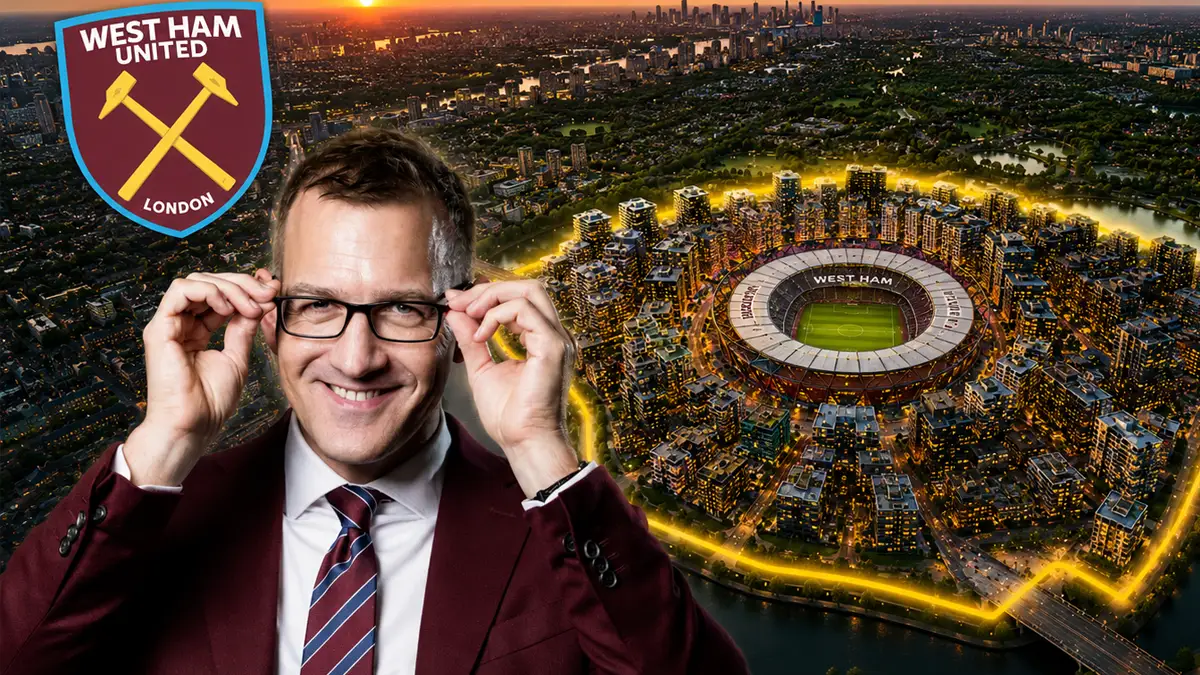
Daniel Kretisnky had big plans to revamp the London Stadium
Owning The Stadium Would Bring Enormous Benefits But Also Major Responsibilities
Under the current arrangement, West Ham do not cover several significant operating costs, including stewarding, policing and pitch maintenance. If ownership transferred, West Ham would inherit responsibility for the total running costs. However, ownership would also unlock substantial new revenue streams.
The biggest complaint from supporters since the move from Upton Park has been the distance between fans and the pitch. The stadium was designed for athletics first and football second. Feedback has been focussed on moving seats closer to the pitch, creating a better atmosphere, improve site lines and in turn could even provide the opportunity to further increase capacity closer to 70,000.
There are however still major obstacles. Khan has made it clear that any proposal would need to ensure taxpayer value is protected, and athletics can continue (whether this could be moved to another site is a possible solution).
With taxpayer losses continuing to attract scrutiny and City Hall now appearing open to discussions, the idea of West Ham owning the London Stadium has moved from fantasy to a realistic possibility.
With an announcement on West Ham’s new share ownership structure expected imminently, it will be interesting to see whether talks begin between the two parties.
I hate the the stadium as it is. Fortunately I watch from a corporate area where fans don’t insist on standing up through games. Travelling in from Essex on trains takes 50mins the return home takes 2hrs due to the walk from the ground to Stratford station.
Give me the Boleyn back any day. The pubs and clubs were buzzing with great atmosphere. Stratford is no where near those days
I seem to remember that the new stadium was initially sold to us fans as a close to the pitch football stadium that could be wheeled out (stand by stand) to reveal a running track and allow athletics fans to watch their sport in a football stadium (much like the Stad de France in Paris).
Of course in reality switching from football to athletics is a much more complicated process and we have been left with football fans watching football in an athletics stadium. I wonder if the “stadium on wheels” idea could be resurrected in a joint financial partnership between West Ham and local government? The long term goal being to remove the government losses in the stadium and allowing athletics to continue at the venue, with West Ham buying the ground.
First base is to get ownership as originally bid for after Olympics. Levy and Barry Hearn with bungler Boris scuppered that!
We can then look at best means of improving stadium. Its upper tier both ends needs sorting. Billy Bonds stand is fine. The brilliant transport links makes the location a winner and its easy to improve catering.