

Who Owns West Ham United?
By Kris Gonzo | Senior West Ham Columnist (Follow on X)
Last updated: July 2026
Who owns West Ham United?
On the surface, it sounds like a simple question. In reality, it has become one of the most misunderstood aspects of the football club.
Many supporters still believe David Sullivan owns and runs West Ham. Others assume Daniel Křetínský has completely taken over. Some believe Karren Brady is still involved in the day-to-day running of the club.
The truth is rather more complicated.
West Ham’s ownership has undergone its biggest transformation since David Sullivan and the late David Gold bought control of the club in 2010. While Sullivan remains one of the club’s largest shareholders, he no longer has executive control. Instead, Daniel Křetínský has emerged as the dominant figure behind West Ham’s long-term strategy, supported by fellow shareholders including Vanessa Gold and Albert “Tripp” Smith.
Understanding how that happened requires understanding the difference between owning shares, sitting on the board and actually running the football club.
This guide explains who owns West Ham United today, how the ownership structure works and why the balance of power has shifted so dramatically.
At a Glance
| Club | West Ham United Football Club |
| Largest shareholder | Daniel Křetínský (1890 Holdings) |
| Significant shareholder | David Sullivan |
| Gold family representative | Vanessa Gold |
| Independent shareholder | Albert “Tripp” Smith |
| Current position | Daniel Křetínský is the dominant influence over the club’s strategic direction. |
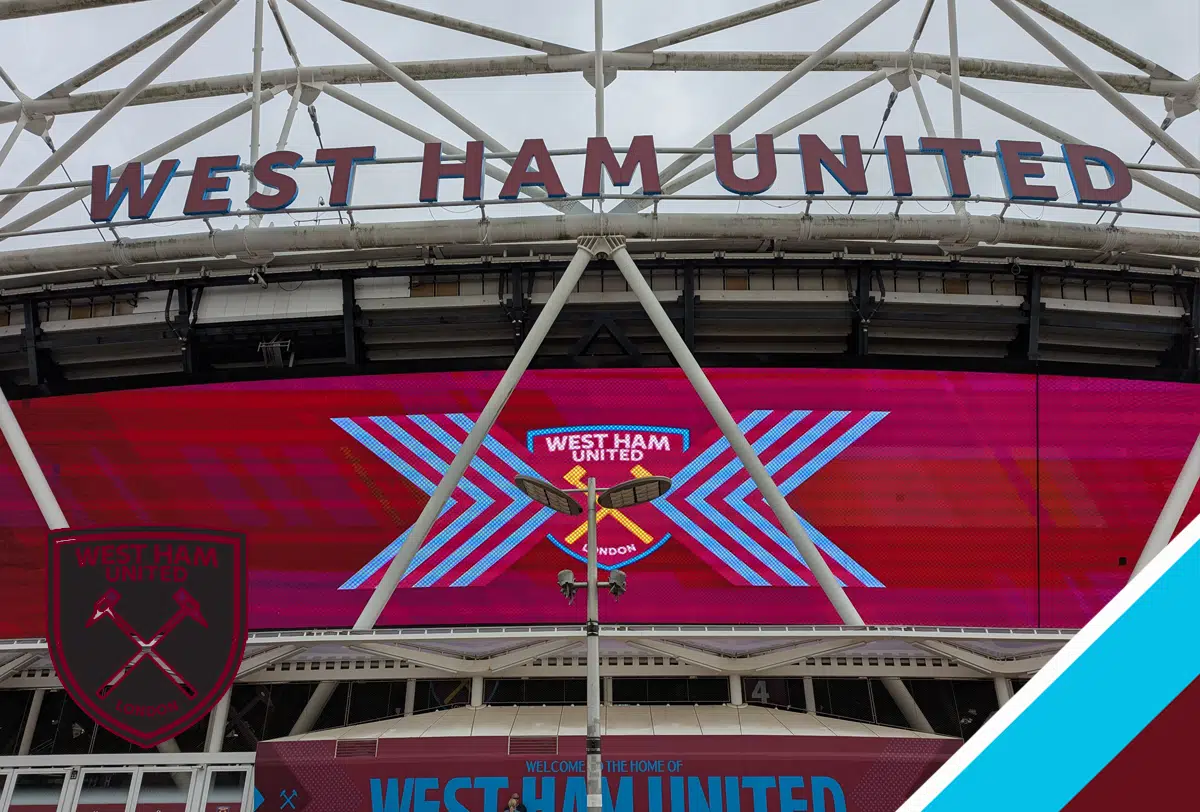
The London Stadium
Who owns West Ham United today?
Daniel Křetínský is now the leading figure behind West Ham United’s ownership, although the shareholding itself remains split between several major investors.
That distinction is important.
Owning the largest number of shares does not always mean someone controls every decision inside a football club. Equally, somebody can remain a major shareholder without continuing to run the club on a daily basis.
That is exactly where West Ham find themselves today.
Following significant changes during 2026, Daniel Křetínský became the dominant influence within the ownership group after agreeing terms to increase his shareholding through 1890 Holdings.
At the same time, David Sullivan stepped away from executive control of West Ham, ending a period that had seen him oversee the club’s day-to-day operation for almost sixteen years.
Although Sullivan remains one of the club’s largest shareholders, executive authority has effectively passed to Křetínský and those shareholders aligned with him.
That means ownership and control are no longer the same thing.
For supporters, that represents the biggest governance change at West Ham since Sullivan and David Gold first took control in 2010.
Current ownership structure
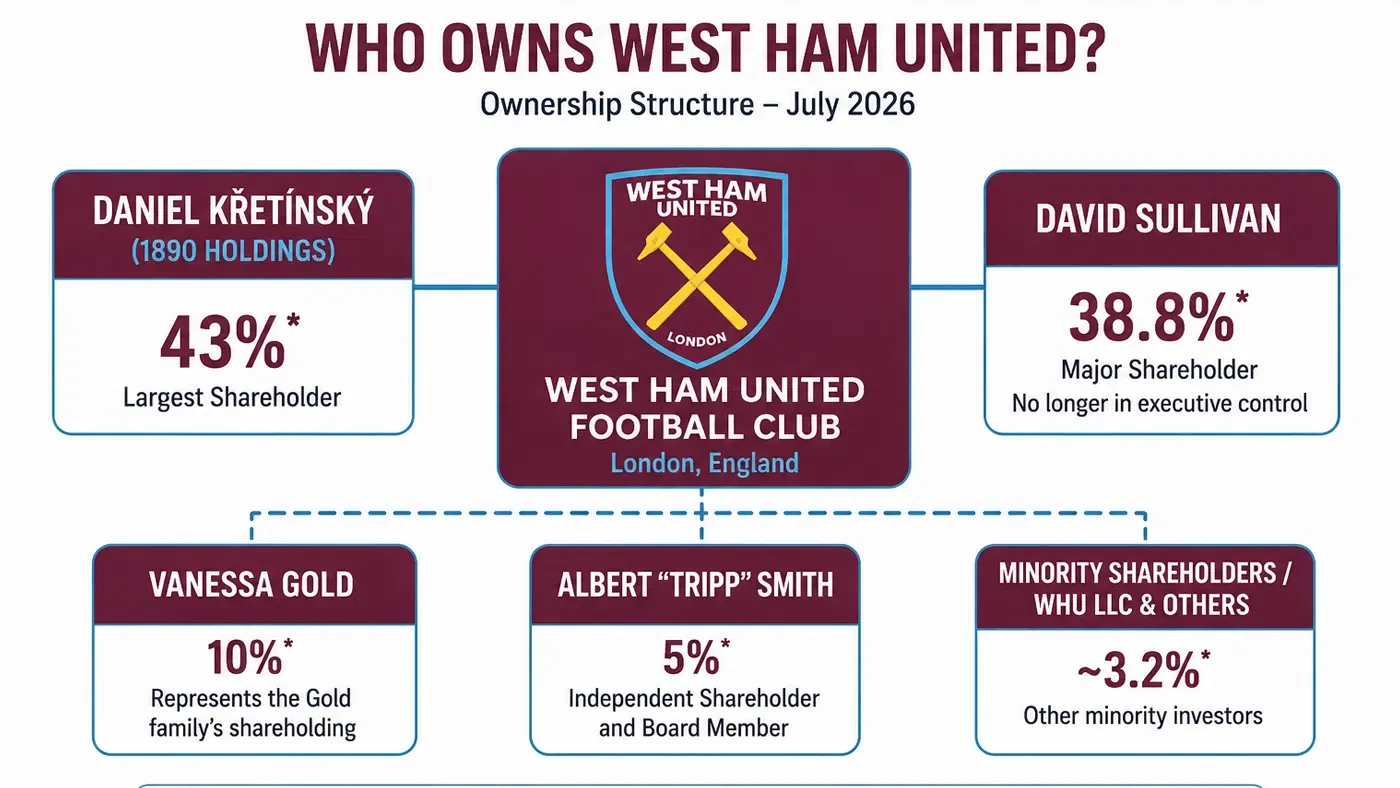
At the time of writing, West Ham United’s ownership is broadly structured as follows.
| Shareholder | Role | Position |
|---|---|---|
| Daniel Křetínský (1890 Holdings) | Largest shareholder | Leads the club’s long-term strategic direction. |
| David Sullivan | Major shareholder | Retains a significant financial interest but no longer exercises executive control. |
| Vanessa Gold | Gold family shareholder | Represents the Gold family’s interests and supports the club’s current direction. |
| Albert “Tripp” Smith | Independent shareholder | Board member aligned with the current ownership strategy. |
| WHU LLC & minority investors | Minority shareholders | Hold the remaining shares. |
Ownership percentages may change as previously announced transactions complete. This page is updated whenever significant ownership changes occur.
How does West Ham’s ownership actually work?
One of the biggest misconceptions among supporters is that the person with the most shares automatically makes every decision.
Football clubs rarely operate like that.
Instead, there are several different layers of authority, each performing a different role.
Shareholders
Shareholders own part of the football club.
The more shares they own, the greater their voting power on major decisions such as investment, governance and long-term ownership.
However, shareholders do not necessarily run the club every day.
The Board of Directors
The Board is responsible for overseeing the governance of West Ham United.
Directors help shape the club’s long-term strategy, approve major decisions and ensure the business is being managed responsibly.
Some directors are shareholders.
Others may represent shareholder interests without personally owning large stakes themselves.
Executive control
Executive control refers to the people who actually run the football club.
That includes making senior appointments, overseeing recruitment structures, approving budgets and setting the overall direction of the organisation.
Historically, David Sullivan exercised considerable executive influence across almost every aspect of West Ham.
Today, that responsibility has largely shifted towards Daniel Křetínský and the wider leadership team supporting him.
Why this matters
This distinction explains why many supporters became confused following the changes in 2026.
David Sullivan still owns a substantial shareholding.
However, ownership alone no longer gives him responsibility for running the football club.
Likewise, Daniel Křetínský’s influence extends beyond the size of his own shareholding.
With the support of fellow shareholders, he now holds the strongest position within West Ham’s ownership structure and is widely viewed as the individual responsible for leading the club into its next chapter.
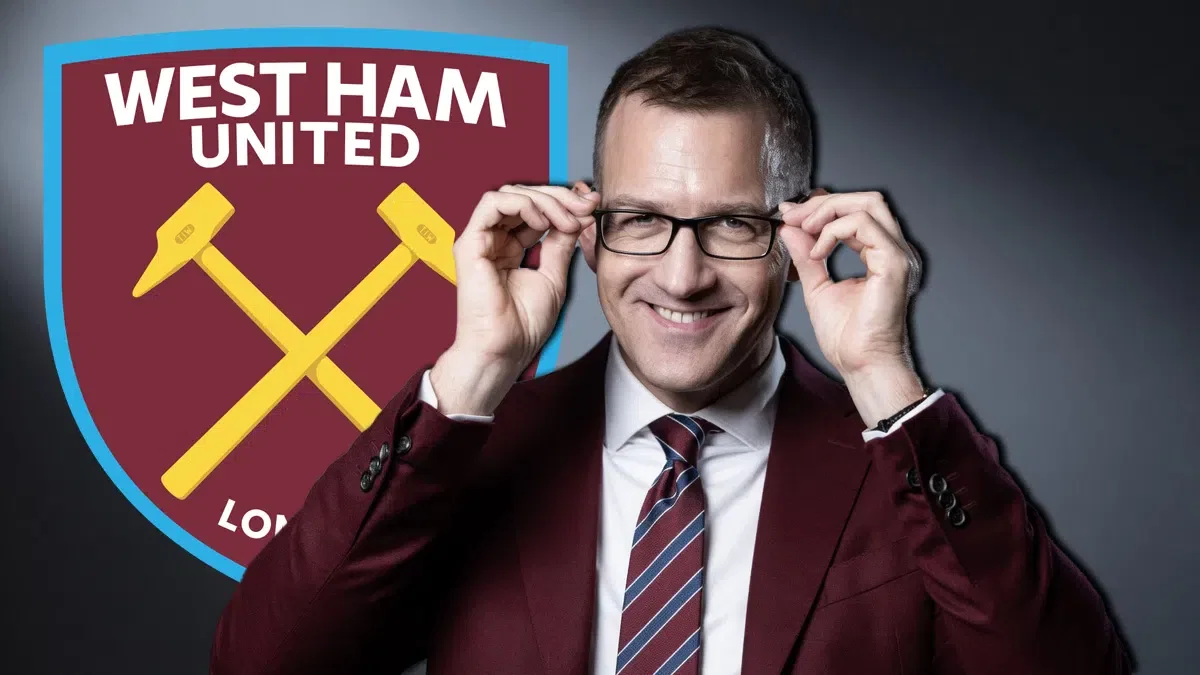
Daniel Křetínský is now the dominant figure in West Ham United’s ownership structure.
Why has the balance of power changed?
For many years, West Ham’s ownership was effectively built around the close working relationship between David Sullivan and David Gold.
The two had worked together long before arriving at West Ham and generally voted together on major decisions affecting the football club.
That partnership gave the club a stable voting majority for well over a decade.
Following the deaths of David Gold and his daughter Jacqueline Gold, responsibility for the family’s shareholding ultimately passed to Vanessa Gold.
While she inherited the family’s position within West Ham, she was not bound by the relationships that had existed between the previous generation of owners.
That proved to be one of the most significant changes in the club’s modern history.
Rather than automatically aligning with David Sullivan, Vanessa Gold chose to support Daniel Křetínský’s long-term vision for West Ham.
Together with Albert “Tripp” Smith and other aligned shareholders, that support effectively shifted the balance of power inside the football club.
Although David Sullivan remains one of West Ham’s largest individual shareholders, he no longer commands the voting support that previously allowed him to dominate boardroom decisions.
For supporters, it marked the beginning of a completely new chapter in the club’s ownership.
Daniel Křetínský: The man now leading West Ham
Although Daniel Křetínský first invested in West Ham United during November 2021, many supporters only really became aware of his influence following the ownership changes of 2026.
For several years he remained largely in the background, allowing David Sullivan to continue overseeing the day-to-day running of the football club.
That patience reflected the way Křetínský has built his wider business career.
Rather than seeking immediate control, he has often preferred to understand businesses before implementing long-term structural change.
Following Sullivan’s resignation from executive control, Křetínský emerged as the clear leader of West Ham’s ownership group.
He has since spoken of rebuilding the club following relegation and has repeatedly stressed the importance of creating stronger foundations rather than relying upon short-term fixes.
Supporters will ultimately judge him on results rather than promises, but his early priorities have already become clear.
Those include modernising West Ham’s recruitment structure, improving supporter engagement, investing in infrastructure and attempting to rebuild relationships around the London Stadium.
Many supporters also hope his greater financial resources will allow West Ham to compete more effectively in an era where football ownership has increasingly become the preserve of billionaires rather than millionaires.
His approach appears considerably more collaborative than the previous ownership model, with greater emphasis on specialist football departments, data-led recruitment and long-term planning.
Whether those ambitions translate into success on the pitch remains to be seen, but there is little doubt that Křetínský now represents the driving force behind West Ham’s future.
Read more: Daniel Křetínský profile
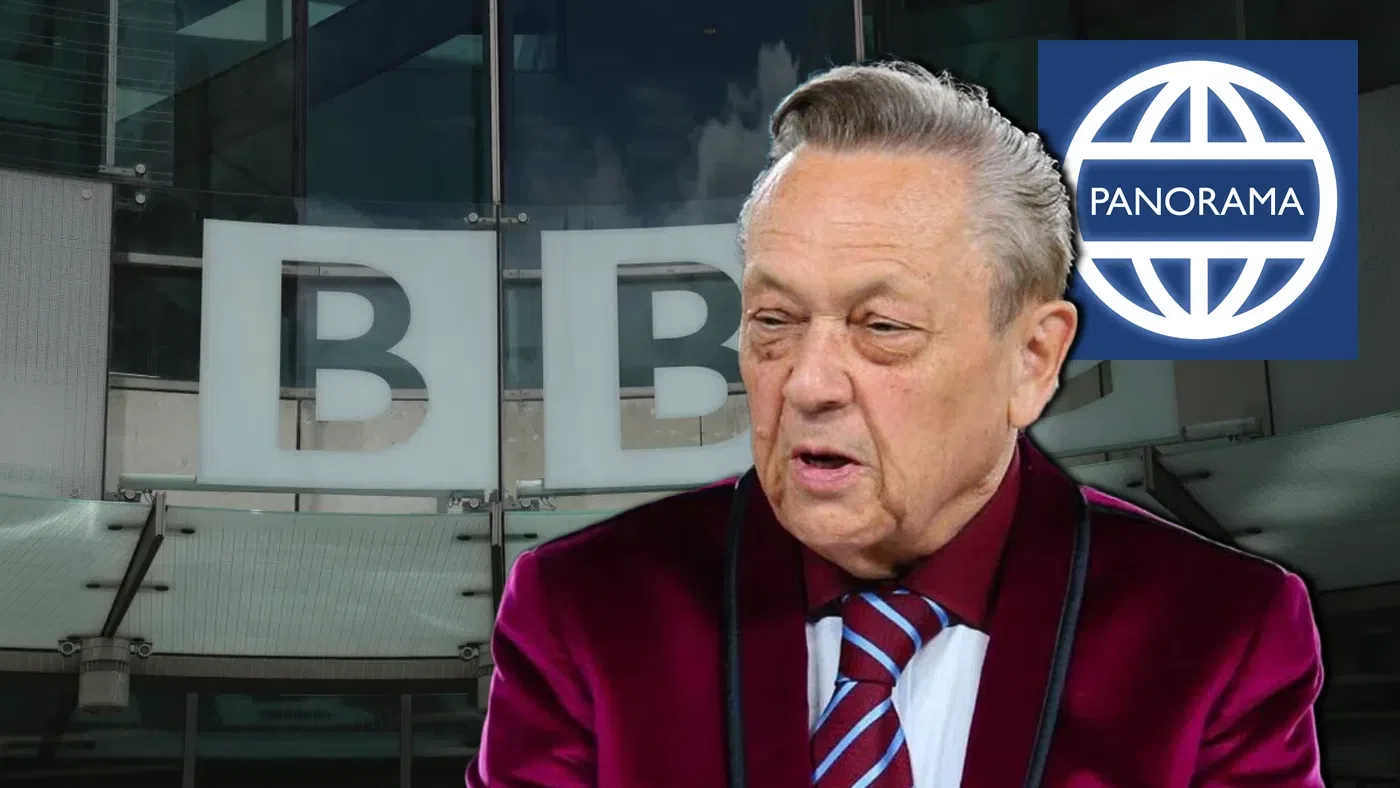
David Sullivan: Still an owner, no longer in charge
David Sullivan remains one of West Ham United’s largest individual shareholders, but he no longer exercises executive control over the football club.
That distinction is one of the biggest sources of confusion among supporters.
Sullivan, together with the late David Gold, completed the takeover of West Ham in 2010 and remained the dominant figure at the club for almost sixteen years.
His time in charge included promotion back to the Premier League, qualification for European competition and the UEFA Europa Conference League triumph in 2023, ending the club’s 43-year wait for major silverware.
However, his ownership also became increasingly divisive.
The move from Upton Park to London Stadium, disagreements with supporters, criticism of recruitment and the club’s eventual relegation all contributed to growing unrest.
In 2026, Sullivan resigned from his executive roles at West Ham following serious historic allegations reported by the BBC’s Panorama programme and The Times. Sullivan has strongly denied the allegations, and the club stated they were entirely unrelated to the operation of West Ham United.
His resignation marked the end of his direct involvement in running the football club.
Importantly, it did not mean he ceased to be a shareholder.
Today, Sullivan remains financially invested in West Ham but no longer oversees the club’s day-to-day affairs or strategic direction.
For many supporters, his departure from executive control represented the beginning of a fresh chapter.
Read more: David Sullivan profile
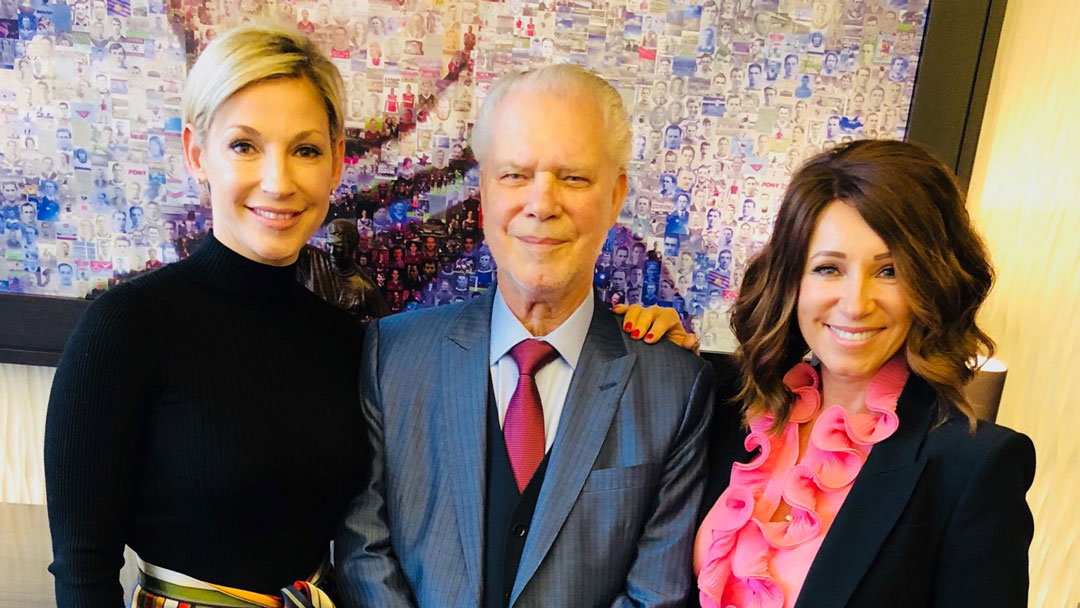
Vanessa Gold: The bridge between two eras
Vanessa Gold occupies one of the most significant, yet often overlooked, positions within West Ham’s ownership structure.
She inherited the Gold family’s involvement in the football club following the deaths of both her father, David Gold, and her sister, Jacqueline Gold.
It was never a role she had expected to inherit, yet she has become one of the key figures in West Ham’s transition towards a new ownership model.
For many years, the Gold and Sullivan families effectively voted together on major decisions.
That alliance had existed long before West Ham and helped provide stability throughout much of Sullivan and Gold’s ownership.
Following David Gold’s passing, that dynamic changed.
Vanessa Gold was under no obligation to continue those historic voting arrangements and instead chose to support Daniel Křetínský’s vision for the football club.
That decision proved hugely significant.
By aligning with Křetínský, she became one of the key figures behind the shift in power that ultimately reshaped West Ham’s boardroom.
Supporters have also recognised the difficult personal circumstances surrounding her involvement.
Losing both her father and sister in such a short period while unexpectedly finding herself helping to oversee one of English football’s biggest clubs would have been an enormous challenge.
Many supporters view her as someone who has helped bring stability during one of the most turbulent periods in the club’s recent history.
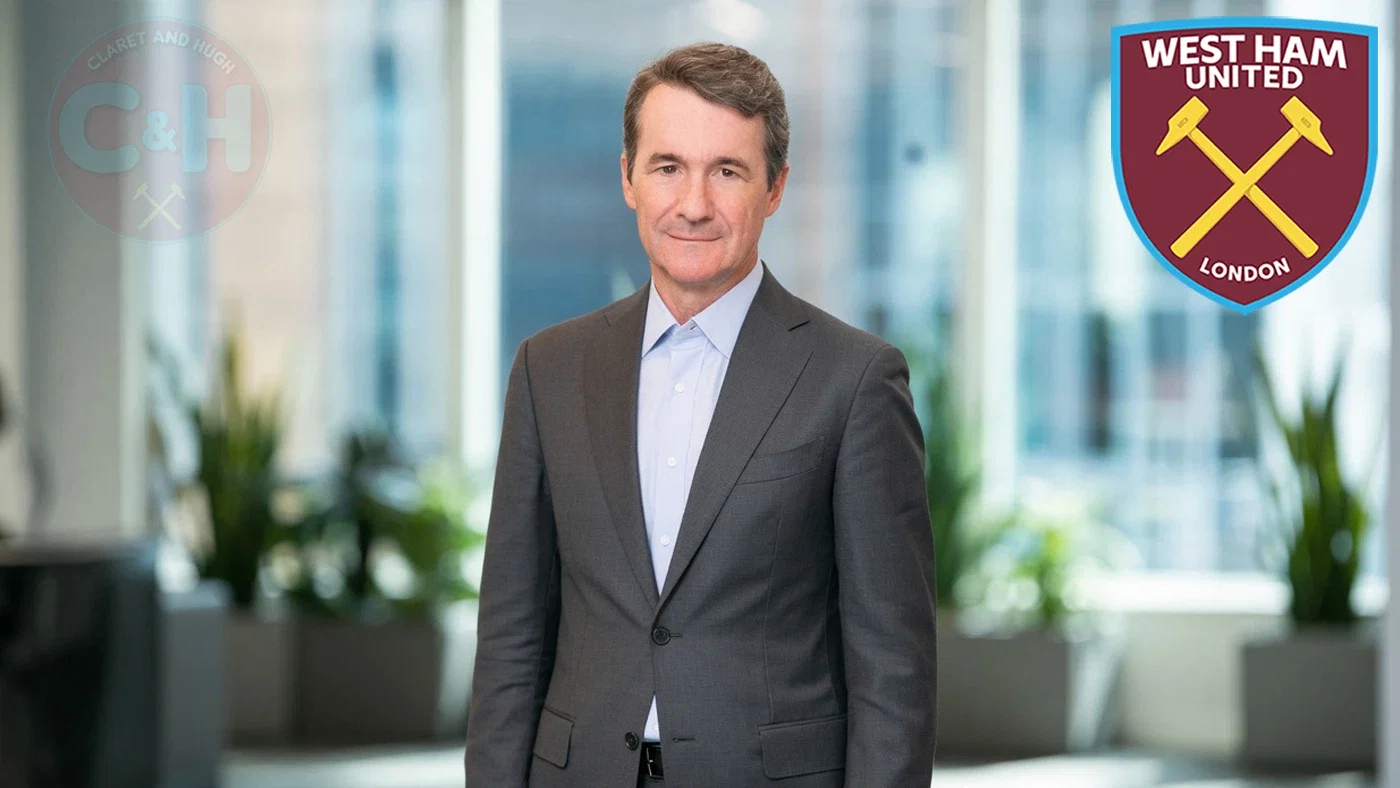
Albert “Tripp” Smith
Albert “Tripp” Smith is another important figure within West Ham’s ownership group, despite often receiving far less public attention than Daniel Křetínský or David Sullivan.
An American investor and businessman, Smith has been involved with West Ham for many years through WHU LLC and remains an influential shareholder.
While he rarely seeks publicity, Smith has consistently played an important role within the club’s board structure.
In recent years he has aligned himself with Daniel Křetínský and Vanessa Gold as West Ham’s ownership has evolved.
That support has helped provide Křetínský with a stable platform from which to reshape the club’s long-term direction.
Although supporters rarely hear from Smith publicly, his influence inside the boardroom is considerably greater than his public profile might suggest.
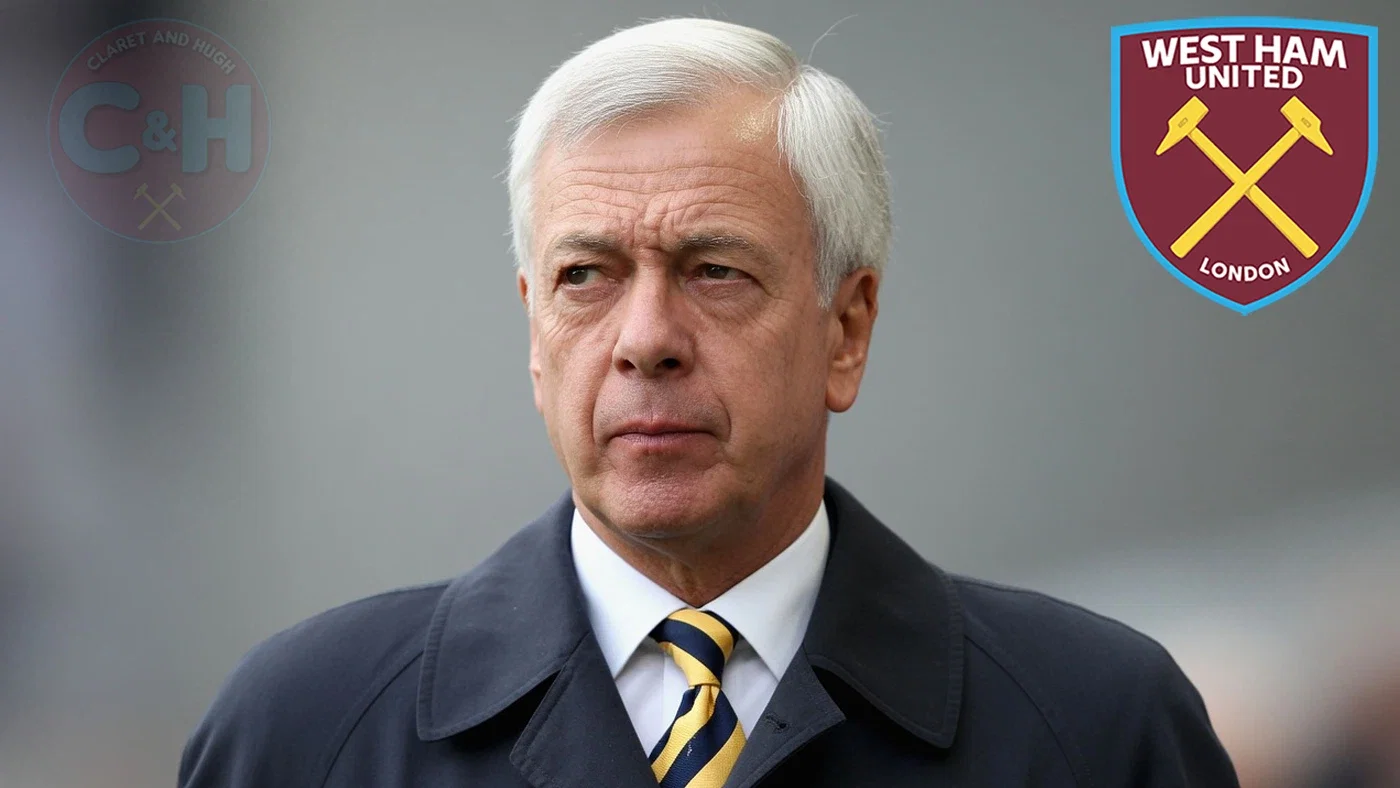
Terry Brown
Terry Brown occupies a unique place in West Ham United’s history. Historically Brown remains unpopular with the Hammers fanbase having overseen the controversial Bond Scheme.
Long before Sullivan, Gold or Křetínský became involved with the football club, Brown served as West Ham’s chairman between 1992 and 2010.
His period in charge included promotion to the Premier League, several memorable seasons in the top flight and the development of players who would go on to become modern West Ham legends.
Although he no longer controls the football club, Brown remains connected to West Ham through his position on the board.
His experience provides valuable historical perspective during a period of significant change.
Few individuals understand the complexities of running West Ham better than someone who has experienced both the successes and the challenges of leading the club over almost two decades.
Today, Brown’s role is very different from that of an executive chairman.
Instead, he forms part of a broader ownership and governance structure that now looks markedly different from the one supporters became familiar with during the Sullivan and Gold era.
A very different ownership model
Perhaps the biggest difference between today’s West Ham and the club of just a few years ago is that decision-making is no longer centred around one individual.
Under David Sullivan, supporters often viewed almost every major football decision through a single figure.
Today, the ownership structure appears considerably more collaborative.
Daniel Křetínský provides strategic leadership.
Vanessa Gold represents the Gold family’s continuing involvement.
Albert “Tripp” Smith provides continuity and experience.
Terry Brown contributes decades of knowledge about West Ham United although how he remains at the club decades after the ‘Brown Out’ campaign is a mystery.
Together, they represent a very different way of running the football club.
Whether that collective approach ultimately proves more successful will only become clear over the coming years, but it already marks one of the biggest governance changes in West Ham’s modern history.
Ownership Timeline
| 1900 | West Ham United Football Club is formed following the transition from Thames Ironworks FC. |
| 1992 | Terry Brown becomes Chairman, overseeing the club through almost two decades that included Premier League football, relegation and promotion. |
| January 2010 | David Sullivan and David Gold complete their takeover of West Ham United, with Karren Brady joining the club as Vice-Chairman. |
| 2016 | West Ham leave the Boleyn Ground and move to London Stadium. |
| November 2021 | Daniel Křetínský purchases a 27 per cent shareholding through 1890 Holdings, becoming the club’s second-largest shareholder. |
| January 2023 | David Gold passes away. His shareholding ultimately passes through the Gold family. |
| 2023 | West Ham win the UEFA Europa Conference League, ending a 43-year wait for major silverware. |
| 2026 | Karren Brady resigns from the Board. |
| 2026 | David Sullivan steps down from executive control while retaining his shareholding. |
| 2026 | Daniel Křetínský becomes the dominant figure within West Ham’s ownership structure. |
Frequently Asked Questions
Who owns West Ham United?
West Ham United is owned by a group of shareholders led by Daniel Křetínský through 1890 Holdings. David Sullivan remains a major shareholder, while Vanessa Gold, Albert “Tripp” Smith and minority investors also retain ownership interests.
Who is the Chairman of West Ham United?
West Ham United’s leadership structure changed significantly following the ownership changes in 2026. While David Sullivan stepped down from executive control, Daniel Křetínský became the dominant figure within the club’s ownership group. Today, West Ham operates under a broader board structure rather than relying on a single long-serving executive chairman.
Does David Sullivan still own West Ham?
Yes. David Sullivan continues to own a significant shareholding in West Ham United but no longer exercises executive control over the football club.
Who is the biggest shareholder at West Ham?
Daniel Křetínský is now the club’s largest shareholder and the leading figure behind West Ham’s ownership group.
Who actually runs West Ham?
Day-to-day football operations are carried out by the club’s executive leadership and management team. Strategically, Daniel Křetínský is now regarded as the dominant influence within the ownership structure.
What is 1890 Holdings?
1890 Holdings is the investment company through which Daniel Křetínský owns his stake in West Ham United.
Who is Vanessa Gold?
Vanessa Gold represents the Gold family’s shareholding following the deaths of her father David Gold and sister Jacqueline Gold. She remains an important figure within West Ham’s ownership structure.
Is Karren Brady still involved with West Ham?
No. Karren Brady resigned from the Board during 2026 and no longer has an executive role within West Ham United.
Can Daniel Křetínský buy the whole club?
That would depend upon future agreements between shareholders. While he has become the dominant figure within the ownership group, West Ham remains owned by multiple shareholders.
Who owns London Stadium?
West Ham United do not own London Stadium. The club plays under a long-term tenancy agreement, with the stadium remaining publicly owned.
Has West Ham’s ownership changed much?
Yes. The most significant changes occurred during 2026, when Daniel Křetínský assumed the leading role within the ownership group following David Sullivan’s resignation from executive control.
Gonzo’s View
If you’d asked most West Ham supporters a couple of years ago who owned the football club, the overwhelming majority would simply have answered, “David Sullivan.”
Technically, that isn’t quite true anymore.
Sullivan still owns a substantial part of West Ham, but ownership and control are two very different things.
For me, that’s the biggest change supporters need to understand.
Daniel Křetínský isn’t just another investor sitting quietly in the background anymore. He is now the man supporters will judge on almost every major decision the football club makes over the next decade.
One of the reasons many supporters have given him the benefit of the doubt is simply because he represents change.
After almost sixteen years under David Sullivan’s leadership, many fans were ready for a fresh approach.
That doesn’t mean Sullivan achieved nothing but his tenure will be remembered for moving the club away from Upton Park and false promises of a ‘world class team in a world class stadium’.
Under his stewardship West Ham did deliver European football and the Europa Conference League trophy, something generations of supporters thought they might never witness. However, Sullivan’s reluctance to invest in the club infrastructure ultimately meant the Hammers failed to capitalise on the club’s newly found reputation as a European force.
But by the end, the relationship between the club and many supporters had broken down.
The London Stadium never truly felt like home, communication often became strained and the club’s recruitment strategy appeared increasingly reactive rather than carefully planned.
What excites me most about Daniel Křetínský isn’t simply that he has more money.
Football has become a billionaire’s game rather than a millionaire’s game, but wealth alone doesn’t guarantee success.
I’m far more interested in the fact he appears committed to building a modern football club.
Supporters have heard him talk about improving infrastructure, investing in the training ground, modernising recruitment and strengthening the club behind the scenes.
Those things matter just as much as signing new players.
Of course, promises are easy.
The real judgement will come over time.
Personally, I think Daniel Křetínský should be judged after two transfer windows.
By then, supporters will have a much clearer idea whether this really is a different era for West Ham United or simply another change of faces in the boardroom.
For now, however, I completely understand why so many supporters feel cautiously optimistic.
Conclusion
West Ham United’s ownership has changed more in the last few years than at any point since David Sullivan and David Gold first took control in 2010.
While David Sullivan remains a significant shareholder, executive control has passed to Daniel Křetínský and the ownership group supporting him.
That distinction is central to understanding how the football club now operates.
Supporters are no longer looking backwards.
Attention has turned firmly towards the future.
Whether that future includes a return to the Premier League, improved training facilities, a better relationship with London Stadium and a more modern football structure will largely define Daniel Křetínský’s legacy.
For West Ham supporters, ownership is no longer simply about who holds the shares.
It is about who has the vision to take one of English football’s great clubs forward.
This page is reviewed and updated whenever there are significant changes to West Ham United’s ownership structure, Board of Directors or major shareholders.