



West Ham supporters hoping that relegation to the Championship might bring some financial relief to the London Stadium’s troubled finances may be in for a shock.
The latest accounts for London Stadium LLP, covering the year ending March 2026, reveal an operation still struggling financially, with annual losses of £20.6m, negative net assets of almost £247m and a staggering £243.7m provision for expected losses under its long-term contractual arrangements.
While the figures represent an improvement on the previous year, the stadium remains heavily dependent on financial support from the Greater London Authority and, ultimately, London taxpayers.
But perhaps the most significant revelation for Hammers supporters is the financial impact of relegation.
The £243.7m Problem
The biggest concern in the accounts is an onerous contract provision of £243.7m.
In simple terms, this represents the stadium operator’s estimate of future losses from its long-term contractual commitments, principally its concession agreement with West Ham and its access agreement with UK Athletics.
The provision has increased from £206.7m in March 2024 to £241.5m in March 2025 and now £243.7m.
It is not a bill that needs paying immediately, but it highlights the scale of the financial challenge facing the stadium.
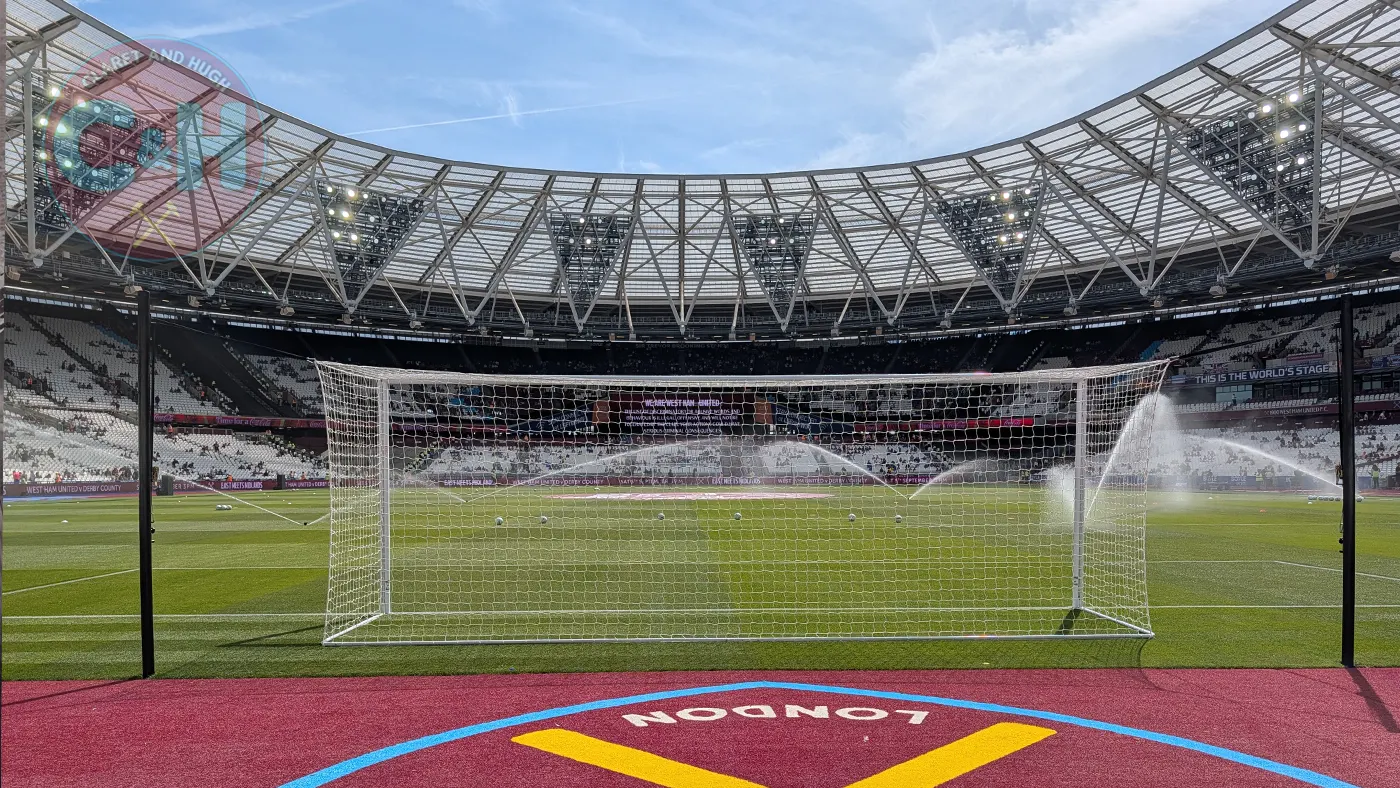
The London Stadium financial figures make for grim reading
Relegation Makes Matters Worse
The accounts explicitly acknowledge the financial consequences of West Ham dropping out of the Premier League.
The stadium’s financial forecasts currently assume the Hammers will return to the top flight after just one season in the Championship.
Should West Ham remain outside the Premier League for another season, the estimated contractual loss provision would increase by a further £2.3m.
That is a sobering admission and demonstrates just how important Premier League football is to the stadium’s financial model.
The Taxpayer Is Still Picking Up The Bill
London Stadium generated revenue of £13.6m during the year, including £4.8m received from West Ham for its use of the ground.
However, this is nowhere near enough to make the operation financially sustainable.
The accounts confirm that the stadium continues to rely on Greater London Authority funding, with a capital contribution of £21.876m received during the year.
The GLA has also provided a letter of support covering at least 12 months from approval of the accounts.
In other words, despite being home to a Premier League football club for almost a decade, the stadium remains dependent on public-sector financial backing.
A £3.6m Dispute With West Ham
There was also an interesting development in the long-running financial dispute between West Ham and London Stadium LLP.
The disagreement concerned a payment of approximately £3.6m, plus interest, connected with Daniel Křetínský’s investment in West Ham.
Following a legal battle and an appeal, London Stadium ultimately won the case, with the money released from escrow in April 2026.
The accounts reversed a £3.941m provision previously made for the dispute, helping improve the reported financial result.
The Headline Figures
For the year ending 31 March 2026:
| Financial Measure | 2025/26 |
|---|---|
| Annual loss | £20.6m |
| Revenue | £13.6m |
| West Ham payments | £4.8m |
| Negative net assets | ~£247m |
| Total financial liabilities | £264.6m |
| Cash at bank | £8.2m |
| Onerous contract provision | £243.7m |
| GLA capital contribution | £21.876m |
What Next For London Stadium?
There are clearly significant challenges ahead.
The stadium’s financial future depends on West Ham returning to the Premier League, attracting new commercial partnerships, maintaining GLA support and managing its expensive long-term contractual commitments.
The recent departure of chief executive Graham Gilmore after nine years in the role adds another layer of uncertainty, with operations director Darren Raczkowski stepping in as interim chief executive.
For West Ham supporters, there is an uncomfortable irony.
The club’s move to the London Stadium was supposed to provide a modern home and a platform for growth, while delivering a lasting legacy for London.
Yet almost a decade later, the stadium is still losing millions, carries an enormous long-term contractual burden and remains reliant on public money.
And with West Ham now in the Championship, the financial assumptions underpinning the stadium’s future are already under greater pressure.
The big question is how much longer London taxpayers will be expected to support an operation that has yet to demonstrate it can stand on its own two feet.