



As supporters, we’re all football managers in our own heads. Whether it’s from the stands, the sofa, or behind a keyboard here at C&H, we spend plenty of time debating team selections, tactics, substitutions and everything in between.
This week, though, I attended a presentation by a former football manager and had the chance to put a few questions to him. It was a fascinating reminder of just how different the game can look from the dugout compared to the stands.
One of the most interesting things we spoke about was pressure.
Not the obvious pressure managers face, but the pressure that players live with every single week. Every touch, every mistake and every result is analysed by supporters, pundits and social media. It can be relentless.
He explained that when a team comes under pressure, players often start to retreat into themselves. Instead of playing with freedom and confidence, they become cautious. Rather than looking to build on what they’re doing well, they focus on protecting what they already have.
Listening to him, it was hard not to think about some of West Ham’s performances last season. Too often, confidence seemed to disappear the moment something went wrong, with the team becoming reactive rather than proactive.
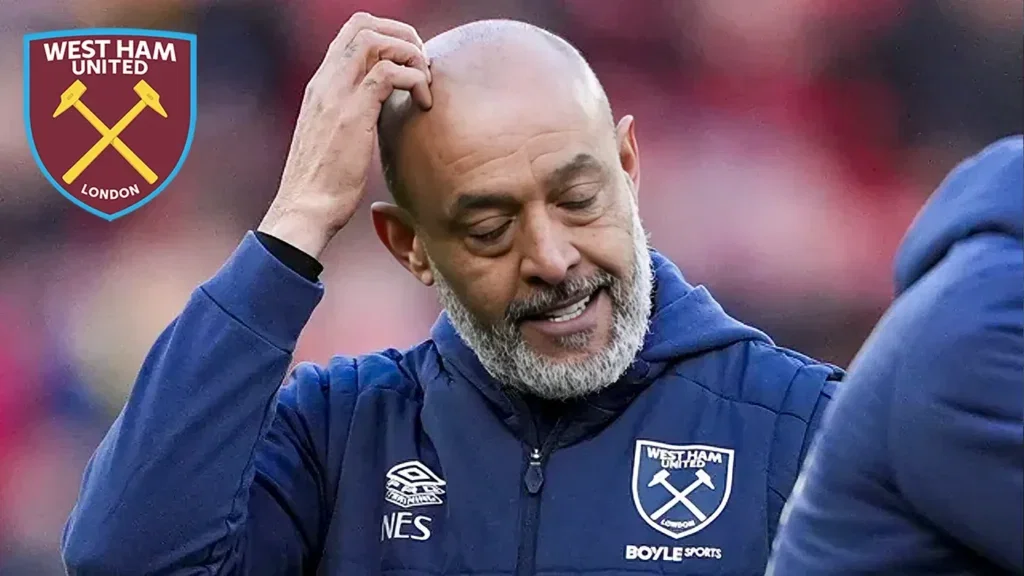
Fragile confidence last season was a big contributory factor in West Ham’s relegation
What’s interesting is that he didn’t see failure as something to fear. Quite the opposite.
Having experienced plenty of highs and lows throughout his career as both a player and a manager, he believes setbacks are often where the biggest lessons are learned. Mistakes, disappointments and difficult periods are all part of the process.
It’s a philosophy that feels very similar to the approach of Nuno. Throughout his managerial career, he’s consistently talked about trust, togetherness and learning through adversity rather than hitting the panic button at the first sign of trouble.
Another point that stuck with me was his view on success.
When a team is winning, everyone looks good. Confidence is flowing, praise is everywhere and problems suddenly don’t seem quite so big. But it’s when results turn against you that you really discover what people are made of.
That’s when leaders emerge. That’s when character is tested.
He also had an interesting take on coaching itself. Managers often receive the credit when things go well, but he sees the role much more like that of a teacher.
Coaches can guide players, highlight areas for improvement and create opportunities for development. But the learning? That part belongs to the player.
The best players are often the ones who take responsibility for their own improvement. Talent helps, of course, but a willingness to learn can take someone a very long way.
That led him onto youth development, where he offered another reality check. He confirmed that it’s only a small number who will eventually reach the highest levels of the game. Some develop early and stall. Others seem ordinary before suddenly flourishing later on. Injuries can change everything in an instant.
And that’s why, in his view, talent alone is never enough.
The players who make it usually possess qualities that don’t always show up on a highlights reel: determination, resilience, character, self-belief and an absolute refusal to accept defeat.
Those traits can often be just as important as natural ability.
What made the conversation so refreshing was that it challenged some of football’s more simplistic narratives.
As supporters, we’re naturally obsessed with results. That’s part of what makes football so enjoyable. But behind every result are people dealing with pressure, confidence, setbacks, development and all the psychological challenges that come with the game.
Sometimes it’s worth remembering that football is about more than what happens for 90 minutes on a pitch.
The further you get behind the scenes, the clearer it becomes that character matters every bit as much as talent.
And after hearing things from someone who has lived it, I was reminded once again that football always looks very different from inside the dressing room than it does from the stands.
Footballers and managers are human beings, what do they say? Form is temporary class is permanent. However if they learn from failure and mistakes Potter must be a genius 😊⚒️⚒️